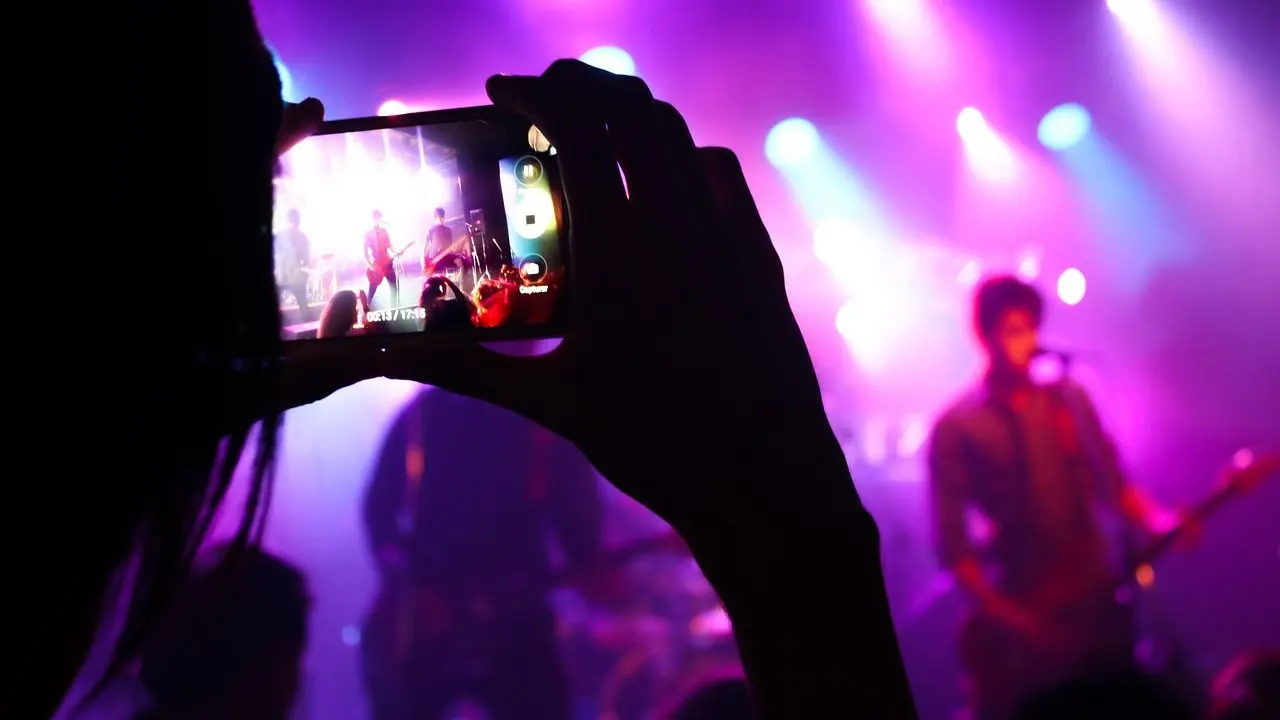
Curious about what is a live album? It is a record made from a real concert, with the crowd noise and the occasional slip-up left in. Think of it as a souvenir of one night, not a polished studio project.
This explainer sits within the wider topic of music and entertainment industry basics.
| Item | Value |
|---|---|
| Benny Goodman’s Carnegie Hall concert, often named the first live album, recorded | January 18th, 1938 |
| Release of The Famous 1938 Carnegie Hall Jazz Concert | 1950 |
| Ampex 8-track recorder invented | 1957 |
| Multitrack recording becomes commonplace | Around the mid-1960s |
| James Brown’s Live At the Apollo recorded | October 24, 1962 |
| Johnny Cash At Folsom Prison recorded | January 10, 1968 |
The figures come from Far Out Magazine’s history of the first live album and Classic Rock Review’s overview of the live album. Dates and details can change as sources are corrected, so check the sources before you rely on them.
What makes a record a live album?
A live album is a concert recording released as a record. Far Out Magazine says the popular definition is, in essence, a concert recording, and with only a few exceptions these albums keep audience background noise and the occasional slip-up from the band.
The line is blurrier than it sounds. Far Out notes that virtually all music was recorded live to tape before the Ampex 8-track recorder arrived in 1957, and that multitrack recording did not become commonplace until around the mid-1960s. That is why the answer to “which was first?” depends on your own personal definition, as Far Out puts it.
Compared with a studio record, a live album usually offers:
- Crowd sound: audience noise is part of what you hear.
- Rough edges: the occasional slip-up from the band is, in Far Out’s words, part of the charm.
- Spontaneity: Far Out says a sense of spontaneity and organic creation is captured in live performances that is often lost within an artist’s studio work.
- A fixed moment: Ultimate Classic Rock describes live albums as snapshots of how acts carried themselves onstage at one point in time.
The first live albums: 1938 and 1961
Far Out traces the first concert-style live album to Benny Goodman at Carnegie Hall in New York on January 18th, 1938, when he became the first jazz artist to headline the venue. The concert was recorded, and it was released in 1950 as the double album The Famous 1938 Carnegie Hall Jazz Concert.
The night featured a host of musicians, including Gene Krupa, Duke Ellington and Count Basie. Far Out adds that jazz kept producing live albums because no two jazz concerts are the same, so committing one to a release feels like a logical decision.
Rock came later. Far Out points to Joey Dee and the Starliters, who released Doin’ the Twist at the Peppermint Lounge in 1961, as the first rock outfit to popularise the concert recording. From the 1960s, it says, virtually every notable rock outfit released a handful of live concert recordings.
From stage to shelf: how a concert becomes a record
Getting a show onto a record was rarely automatic. Goodman’s concert was recorded because of its historical importance, and listeners had to wait until 1950 to hear it, according to Far Out.
Labels were not always keen. Classic Rock Review reports that Live At the Apollo, recorded on October 24, 1962, was produced at Brown’s expense because his record label opposed an album of live versions of songs already released. It sold rapidly and spent more than a year on the Billboard Pop Albums chart.
Johnny Cash met much the same resistance from his label when he proposed recording live at the prison. The album was recorded in two shows on the morning and afternoon of January 10, 1968, with little investment by Columbia Records, yet it still rocketed to number one on the Country Charts, Classic Rock Review says.
Once the tapes exist, the next choice is how much to polish them. Ultimate Classic Rock’s list of 1974 live albums notes that Emerson, Lake & Palmer chronicled their Brain Salad Surgery tour with a three-disc set and did not take the recordings back into the studio for sweetening or revisions. Many live records document a tour like that one, so you may also want to read about how are concert tours planned.
Live material reaches listeners in several forms:
- Straight concert records, such as Live At the Apollo.
- Hybrids: Ultimate Classic Rock calls the Allman Brothers Band’s Eat a Peach a half-live, half-studio set, and the Marshall Tucker Band’s Where We All Belong came with separate live and studio discs.
- Festival soundtracks, such as the Woodstock album covered below.
- Later video sets: Classic Rock Review says no traditional album came out of Live Aid in 1985, with a four DVD set finally coming out in 2004.
Landmark live albums that shaped the format
Classic Rock Review describes the Woodstock soundtrack as a 6-sided triple album released on May 11, 1970. It was unusual because 18 different artists performed on the original version, and just about each track contained stage announcements and conversations among the musicians.
The layout was practical too. The original LP paired side one with side six, side two with side five and side three with side four, to suit the popular record changer turntables.
Starting in 1970, the same source says, a prolific run of live recordings began. Notable titles from the early and mid-1970s include:
- Live At Leeds by The Who, Absolutely Live by The Doors and Band of Gypsys by Jimi Hendrix, all named as 1970 releases by Classic Rock Review.
- Made in Japan by Deep Purple, listed by Ultimate Classic Rock with a December 8, 1972 date.
- Frampton Comes Alive! by Peter Frampton, a double LP released January 6, 1976, which Classic Rock Review calls perhaps one of the most successful commercial live albums ever.
The same source says the golden age of live albums started to wane in the late seventies and early eighties, leaving quality live albums fewer and further between.
Why artists and labels release live albums
The motives vary, and the sources describe several of them:
- A catalog staple: Ultimate Classic Rock says concert souvenirs were a well-established and expected part of an act’s catalog (and contract) by the ’70s.
- A creative statement: the site’s 1972 list says live albums were becoming creative works in their own right, more than placeholders or stopgaps.
- A stopgap: some were merely easy stop-gaps to give an act time to work on its next studio project.
- A cash-in: Far Out says a few were created as simple cash-grabs by record executives.
A live album can also change a career. Classic Rock Review says Live Bullet played a large role in Bob Seger headlining before 78,000 at the Pontiac Silverdome in June 1976.
Live records can climb the mainstream charts as well. Ultimate Classic Rock reports that Neil Diamond’s Hot August Night hit No. 5 on the Billboard 200 and was certified double-platinum, and to see what such positions mean you can read about how do music charts work.
Not everyone is sold on the format. One reviewer’s blunt view is that the only true way to hear a band live is to hear a band live, which makes a recording a stand-in for the real thing.
Frequently asked questions
What is a live album in simple terms?
Show answer
It is a record of a concert performance. Far Out Magazine says live albums tend to keep audience background noise and the occasional slip-up from the band.
What was the first live album?
Show answer
It depends on your definition. By the popular definition of a concert recording, Far Out points to Benny Goodman’s Carnegie Hall concert of January 18th, 1938, released in 1950.
Are live albums fixed up in the studio afterwards?
Show answer
Practice varies, and the sources here document only some cases. Ultimate Classic Rock says Emerson, Lake & Palmer did not take their recordings back into the studio for sweetening or revisions, while hybrids such as Eat a Peach mix live and studio material.
Why do some critics skip live albums?
Show answer
Classic Rock Review says it covers studio albums almost exclusively, pointing to the inconsistency in sound and the art of production on live records.