
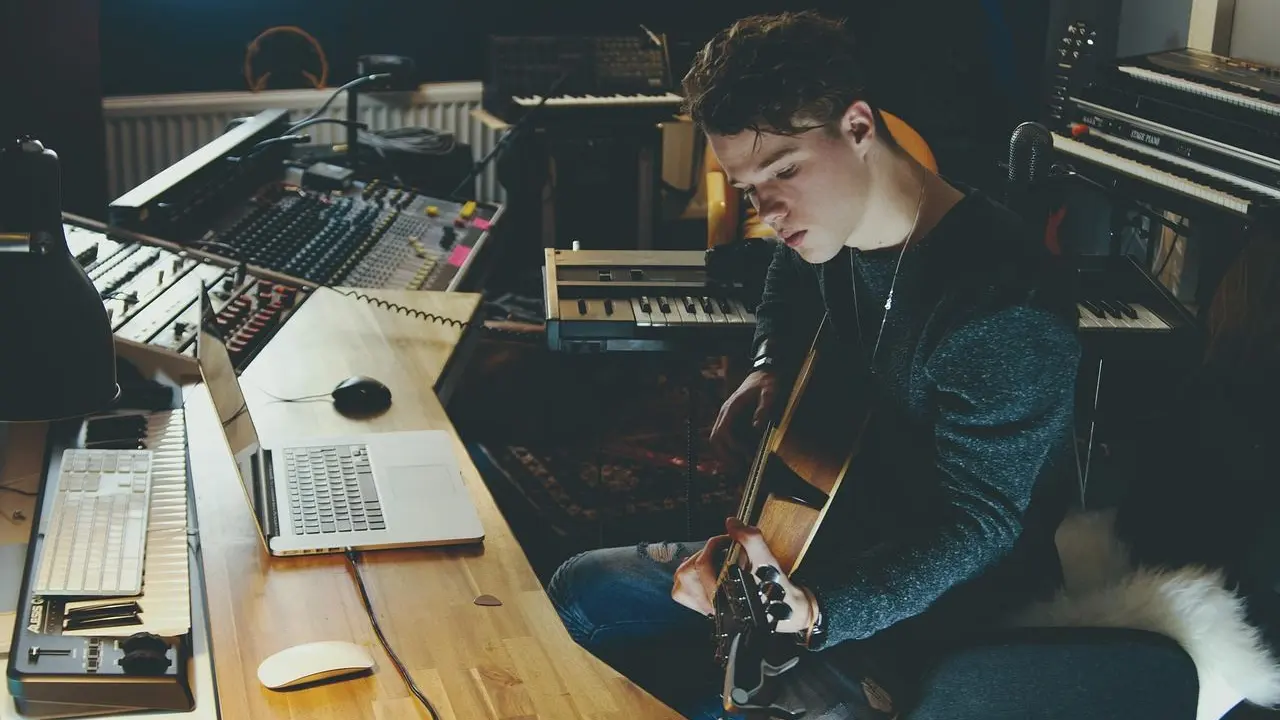
You keep seeing “produced by” in credits, so what does a music producer do? They guide a recording from first idea to finished track, shaping the sound, steering performances and watching the budget.
This guide sits within the wider topic of music and entertainment industry basics.
| Item | Value |
|---|---|
| Core job | Shapes the creative direction and execution of a recording project |
| Span of the work | From preproduction through mixing and mastering |
| Business duties | Keeps the project on budget and on schedule |
| Engineer-to-producer example | Nigel Godrich: engineer on Radiohead’s 1994 EP, producer of the 1997 album OK Computer |
| Technical skill | Not always required: Rick Rubin openly admits he has no technical music production skills |
The roles and examples in the table come from Berklee’s music producer career profile and dBs Institute’s producer guide. Job descriptions and credits can change, so check the sources before you rely on them.
What a music producer is responsible for
Berklee describes producers as people who shape the creative direction and execution of a recording project, working with artists and recording teams. Depending on the project, that can include developing songs and arrangements, planning sessions, selecting collaborators and guiding performances. It can also include managing budgets and schedules and overseeing the work through mixing and mastering.
The dBs Institute guide sums up the role in these responsibilities:
- Logistics and communication.
- Providing a creative vision for the project.
- Overseeing and managing performances and processes.
- Understanding, and delivering, what artists want to achieve from their work.
- Working with sound engineers to see the project through to completion.
The modern job has a clear origin story. Berklee credits George Martin’s sessions for the Beatles with revolutionizing the role, after which producers worked alongside musicians as creative partners. SonicScoop describes an earlier era in which a producer was most often a liaison between the artist and the record label.
How a recording project moves from preproduction to mastering
Every project differs, but the work tends to follow a rough sequence. The Music Studio lays out the stages like this:
- Pre-production: selecting songs to be recorded, assisting with song arrangements and structure, and planning the overall sound direction.
- Studio recording: guiding musicians and vocalists towards their desired performance.
- Sound design and technical direction: selecting instruments, sounds and textures, and working with sound engineers on microphone placement and recording techniques.
- Editing and mixing: overseeing edits and working with a mix engineer to balance instruments, adjust levels and create a finalized mix.
- Post-production: adding sound effects or samples, mastering the track and checking the mix works across a variety of playback systems.
How much of this a producer does personally depends on the team. The Music Studio says that on smaller teams the producer may even take on the sound engineer role directly, and that often the producer handles everything from composition to music engineering.
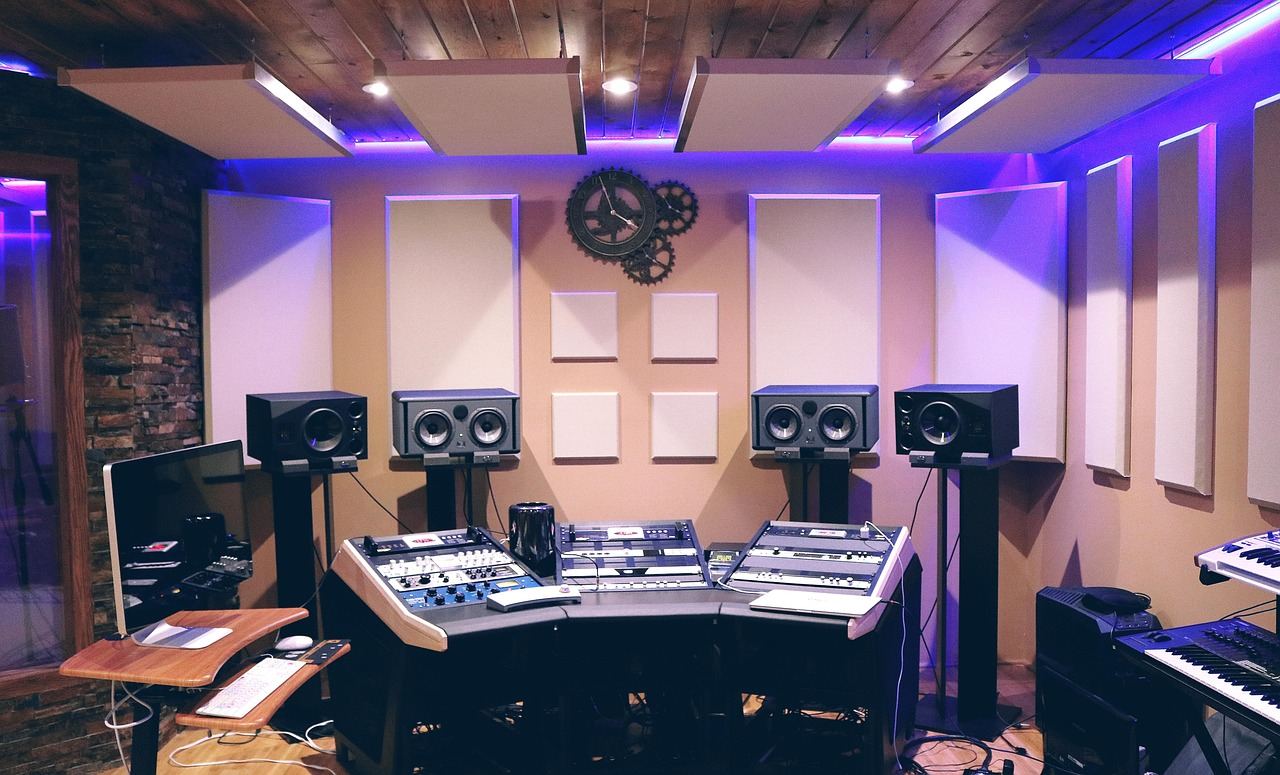
Logistics matter as much as creativity. The dBs Institute guide says a producer’s role is to ensure a project stays on budget and on schedule. Going over budget or delivering late can torch a producer’s reputation, it warns, especially on large-scale albums with major labels, so to see the label side of that relationship, read about how do record labels work.
How is a producer different from an engineer or mixer?
A guest post on Hypebot notes that the lines between creative roles have blurred as more artists mix and master their own material. Its advice is that clear communication from the start avoids misunderstandings and unnecessary tension. Here is how it describes the common roles:
- Music producer: the number one role is to build the instrumental arrangement and handle sound design if needed.
- Vocal producer: coaches the artist, guides the performance, then comps, edits, tunes and mixes the vocals.
- Recording engineer: pays attention to the tone and color of each voice and instrument.
- Mixing engineer: works on the frequency spectrum, stereo imaging, volume levels and dynamics once the bulk of the creative process is done.
SonicScoop frames the split as a difference in viewpoint. Engineers have a zoomed-in picture focused on signal flow and levels, while producers take a bird’s-eye view of arrangement, overall flow and artistic vision. Its authors sum it up as engineers being the hands and producers being the ears.
For artists choosing a producer, Hypebot suggests listening to their previous work and asking exactly what they did on each track. It also says a producer is not responsible for extras such as vocal tuning if they were not agreed at the start, unless you pay for that service separately.
Which skills does a producer need?
Berklee lists these professional skills for the role:
- Arranging, recording and mixing
- Budgeting
- Good ears for detail and nuance
- Electronic production and sample libraries
- Networking, leadership and collaboration
Deep technical knowledge is not the only route in. dBs Institute calls Rick Rubin one of the most successful producers in history, yet says he openly admits he has no technical music production skills at all. Big Creative Education adds that producers do not necessarily need to play an instrument or create beats, although that often helps.
People skills count too. Berklee says the best producers understand how to make a record sound good and also how to manage interpersonal relationships amid a complex creative undertaking.
How people become music producers
Berklee describes several routes. Some producers begin as working musicians, songwriters or arrangers and do production work on the side to build a portfolio. Others start as recording engineers, like Nigel Godrich, who was on Radiohead’s 1994 EP My Iron Lung and was elevated to producer for the band’s 1997 album OK Computer, according to Berklee.
Many aspiring producers intern or apprentice as a production assistant, handling scheduling, emailing and studio setup. Berklee notes this also builds relationships with engineers, studio personnel and artists who can give a career break.
Later, advancement means working with more prominent artists for bigger fees, or starting a studio or label. Big Creative Education says some producers freelance across many artists and labels, while others work for a specific label or studio. Related fields include film and television soundtracks and video game music.
If you are curious about what happens once a finished record is released, read about how do streaming royalties work.
Frequently asked questions
Does a music producer write the songs?
Show answer
Not always. Hypebot assigns the melody, lyrics and chord progressions to the songwriter, while Berklee says producers may help develop songs and arrangements. Big Creative Education says that if a client has no song written, the producer might take on that role.
Do music producers mix and master?
Show answer
Some do. Big Creative Education says not all producers are familiar with mixing and mastering, but many can or at least know the process. The Music Studio adds that, depending on the team or project, a producer may do all of it personally.
Do you need to play an instrument to be a producer?
Show answer
Not necessarily. Big Creative Education says producers do not necessarily need to know how to play an instrument or create beats, although it often helps.
What is a vocal producer?
Show answer
According to Hypebot, a vocal producer coaches the artist before a session and guides the performance during it. Afterwards they comp, edit, tune and mix the vocals.