

Not sure which ticket you should buy? In the general admission vs reserved seating choice, pick general admission for freedom and often a lower price, or reserved seating for a guaranteed spot.
For the wider picture on planning a night out, see the live music concert guide.
| Item | Value |
|---|---|
| General admission: seat assigned? | No, chosen on arrival |
| Reserved seating: seat assigned? | Yes, printed on the ticket |
| General admission: pricing | Single price (or simple tiers) |
| Reserved seating: pricing | Often tiered by location |
| General admission: crowd flow | Self-organising, doors open early |
| Reserved seating: crowd flow | Predictable, attendees arrive closer to start |
The table follows the comparison in Eventgroove’s guide to general admission tickets. Ticketing practices differ by venue and promoter, so check the source and your own ticket page before you rely on them.
What does general admission actually mean?
A general admission ticket gets you into the event but does not guarantee a specific seat, as Softjourn’s ticketing guide explains. Holders are usually admitted on a first-come, first-served basis.
That does not always mean standing. Eventgroove says general admission just means seats aren’t assigned, and that standing room only is a specific subset of GA, not the default.
You will see a few versions of it, according to Eventgroove:
- General admission (seated): you sit wherever you want once inside, and the first to arrive picks first.
- General admission (standing): the floor or main area is open standing room, and the ticket gets you in.
- Standing room only: a subset of GA where seats are sold out and the remaining tickets only allow standing.
- Festival or grounds admission: outdoor events sell GA tickets that grant access to the entire grounds, and you roam freely.
According to Yapsody, general admission seating suits casual and relaxed events such as music festivals, comedy shows and outdoor movie screenings.
What reserved seating gives you
Reserved seating is a ticket that lets you choose and reserve a specific seat at an event ahead of time, per Softjourn. You know your exact seat before you leave home.
The same source lists some situations where that helps:
- You have special accessibility needs.
- You are attending with young children.
- You want to be sure of a good view of the stage or performance area.
- You want to sit with your group, since reserved tickets are a popular choice for people who want that.
Softjourn also says patrons don’t have to rush, because their seats will be available whenever they arrive, even late in some cases. TicketSpice sums up the model this way: every guest chooses their exact spot when purchasing, so there’s less flexibility but also less ambiguity.
Yapsody describes reserved seating as ideal where a designated spot matters, such as theatre performances, concerts, drive-in events or business conferences.
Pros and cons of general admission
The appeal is freedom, and often a lower bill. These are the upsides the sources point to:
- Softjourn says attendees can stand or sit wherever they’d like and move about the event space.
- It also says general admission tickets are often less expensive than reserved seating tickets.
- Check-in is typically faster without assigned seating, according to the same guide.
- TicketSpice notes that when people know the best spots go fast, they’re encouraged to buy and show up on time.
If you like to drift between the crowd and the back of the room during a set, this is the format that allows it. Just remember the price of that freedom is paid in arrival time.
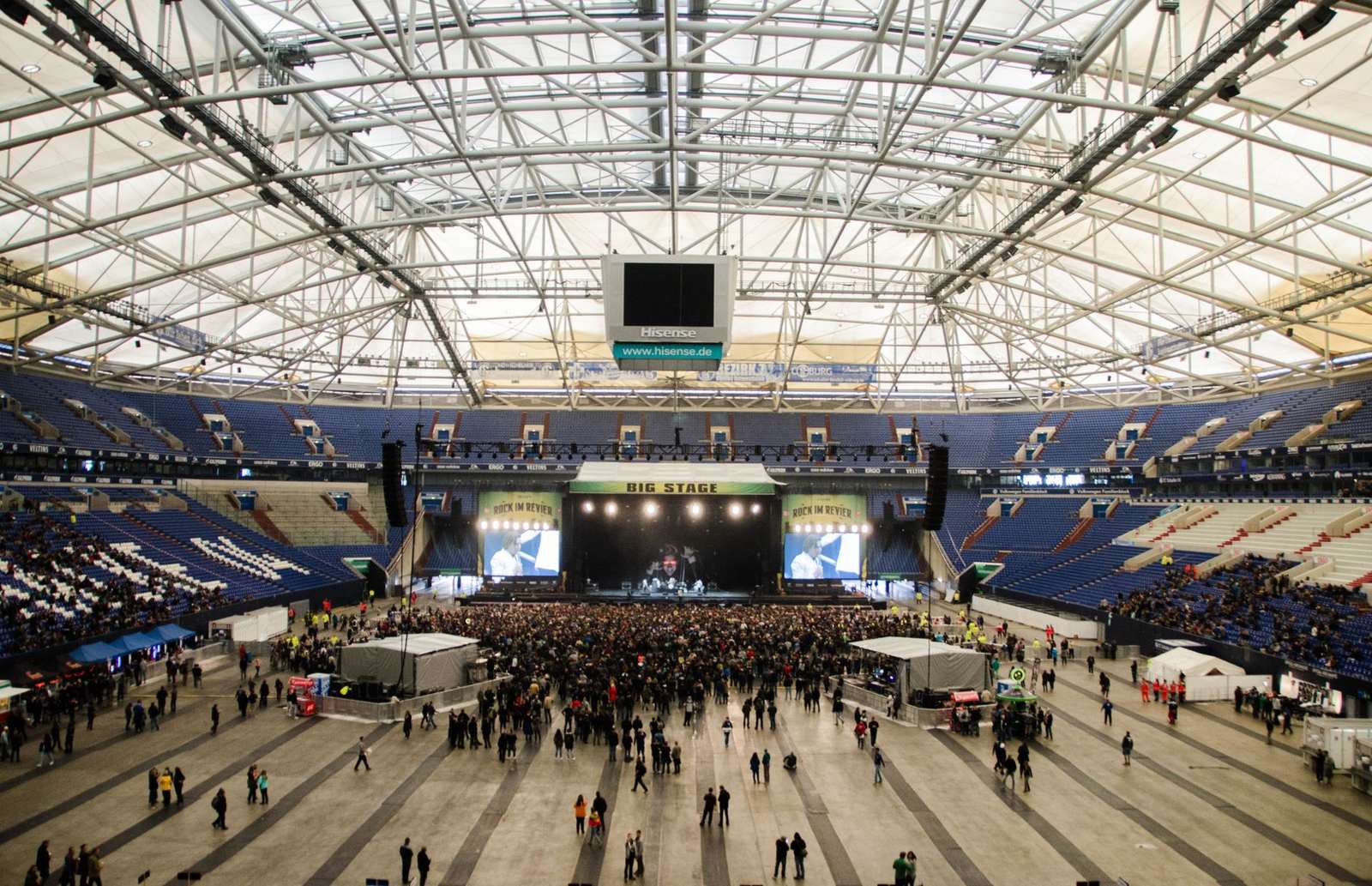
The downsides
Most of the drawbacks come back to arriving early. Softjourn lists these challenges:
- Attendees must arrive early to find a good spot.
- Attendees may not buy merchandise or refreshments for fear of losing their good spot.
- It might not work best for some audience types, such as the elderly or families with young children.
Eventgroove adds that lines form earlier and longer, and that late arrivals get the worst spots. TicketSpice warns of guest frustration if groups can’t sit together or guests feel anxious about limited space.
Pros and cons of reserved seating
The big win is certainty. TicketSpice lists more comfort and predictability, because guests know exactly where they’ll sit before they arrive.
The trade-off shows up in the price list. Eventgroove says reserved seating pricing is often tiered by location, and TicketSpice notes that organisers can charge more for front-row or VIP sections.
- Pro: no need to queue early to claim a spot, since your seat is already yours.
- Pro: easier to sit together as a group and to plan around accessibility needs.
- Con: less flexibility to roam once the show starts.
- Con: the best locations may cost more than the rest.
How to decide for the show you’re attending
There is no single right answer, only a better fit for a given night. Work through these steps before you buy:
- Read the ticket page closely. Eventgroove suggests organisers label tickets with wording like “General admission – seating available, first come first served” or “standing room only”, so look for it.
- Decide how you like to watch. Softjourn says general admission is often preferred by people who like to move around, while reserved seats suit those who want the best view.
- Think about who is coming with you. Groups, young children and anyone with accessibility needs may be happier with a seat that is guaranteed.
- Plan your arrival. For general admission, build in time to queue so you can claim the spot you want.
- Look for a mix. Eventgroove notes some organisers sell GA for the main floor and a reserved section at a premium, and TicketSpice says a hybrid model can provide both flexibility and control.
Wherever your ticket puts you, it is worth reading up on how to protect your hearing at concerts before the doors open. And once you are in your spot, learning how to read a concert setlist can help you follow the night.
Frequently asked questions
Is general admission always standing?
Show answer
No. Eventgroove says general admission just means seats aren’t assigned, and plenty of GA events have seating, such as school plays in a gym with chairs or fairs with bleachers. Standing room only is a specific subset of GA, not the default.
Are general admission tickets cheaper?
Show answer
Often, yes. Softjourn says general admission tickets are often less expensive than reserved seating tickets, and Eventgroove describes the pricing as a single price or simple tiers. Check the listed price for your own show, since it can differ.
Do I need to arrive early for general admission?
Show answer
If you want a good spot, yes. Softjourn lists early arrival pressure as a challenge, because attendees must arrive early to find a good spot.
Can I arrive late with a reserved seat?
Show answer
Sometimes. Because your seat is already assigned, there is no race for position, and Softjourn notes that late arrival can work for some reserved events. Entry rules vary, so check the venue’s own policy for your show.