
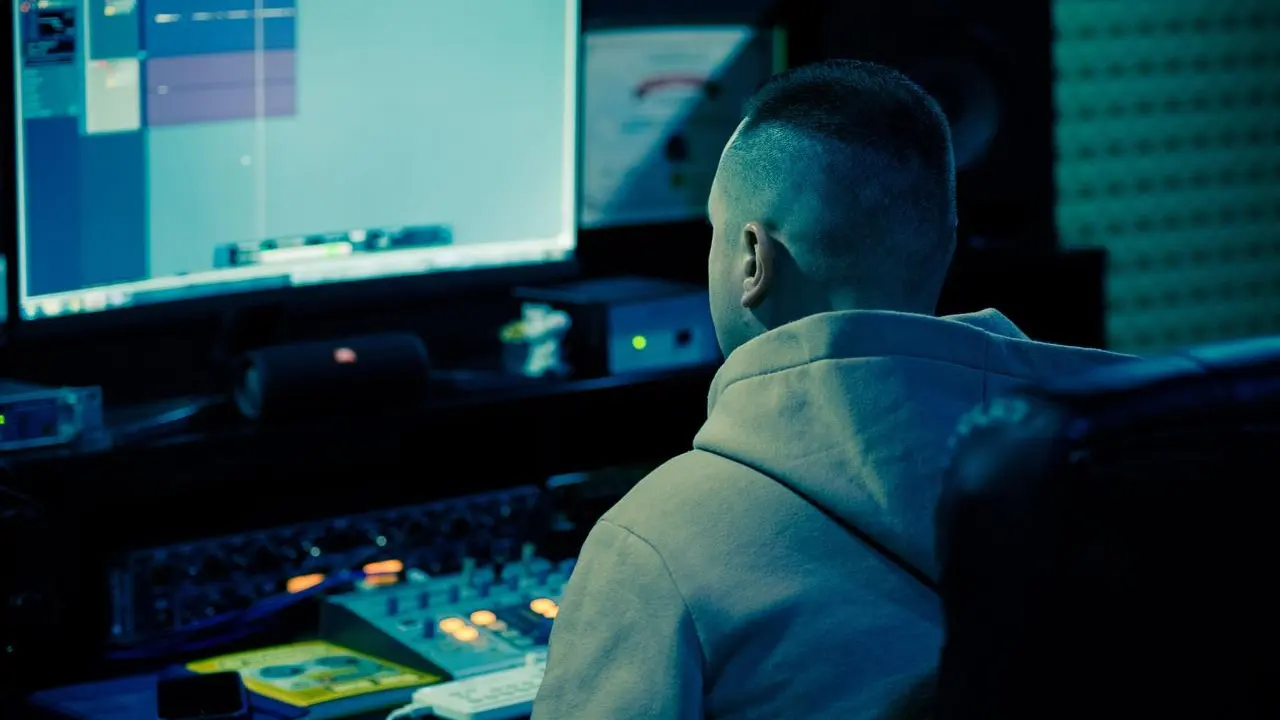
You hear a band playing through the wall and wonder: what is a soundcheck? It’s the pre-show run-through where performers and engineers set volume, mix and tone so your night sounds clear.
For the bigger picture of a night out, see our live music concert guide.
| Item | Value |
|---|---|
| Usual timing | Before the audience enters the venue |
| Small-event timing | A few hours before the show |
| Start after load-in | About an hour after the PA or backline arrives |
| Productive length | Well under an hour |
| Playing order | Rhythm section, then melody section and vocalists |
| Order with several acts | Headliner generally first |
These figures come from Wikipedia’s soundcheck entry and a guide from Improvised Music Company. Every venue runs its own schedule, so check the sources before you rely on them.
What happens at a soundcheck, step by step
A soundcheck is the preparation before a concert, speech or similar performance to adjust the sound on the venue’s sound reinforcement or public address system. The performer and the audio engineers run through a small portion of the show so the front of house and stage monitor systems are clear, set at the proper volume, and have the correct mix and equalization.
When the check covers microphones alone, it is more commonly called a mic check. Sound checks are especially important for rock shows and other performances that rely heavily on amplification, according to Wikipedia.
The exact order varies, but a typical run looks like this:
- Line check. The front of house engineer taps each microphone in turn to confirm it reaches the console on the expected channel. This is not the soundcheck itself; it finds faulty or mis-patched inputs before the performers begin.
- Set-up. Instruments such as the drum kit and bass amplifier go on stage, and the engineer places microphones near each one. Some instruments, such as electric bass, connect to the console through a DI box.
- Solo checks. The engineer asks each instrumentalist to play alone so levels and equalization can be adjusted. A drum kit takes longer because each mic’d drum and cymbal gets its own adjustment.
- Full-band song. The band plays a song from its repertoire so the engineer can balance one instrument against another.
- Hand-over. Once the sound crew finishes, the performers leave the stage and the audience is admitted.
The check may start with the rhythm section, then move on to the melody section and the vocalists. Wikipedia’s live sound mixing entry describes the solo-then-song routine for smaller events.
Why do bands soundcheck before doors open?
The audience hears one thing and the performers hear another, and both need to work. A soundcheck lets the engineer fix problems while the room is quiet and nobody is waiting.
In practice, the engineer and band use the time to:
- Confirm the front of house and stage monitors produce clear sound.
- Set the volume and the mix between instruments and voices.
- Talk through the band’s goals for the sound and flag any adjustments that need to be made, as the RouteNote Create blog explains.
- Find faulty gear or cables before the audience arrives.
Those adjustments usually include tweaks to volume and tonal balance. The engineer keeps adjusting during the show too.
Timing depends on the size of the event. Wikipedia notes that for small events a soundcheck is often held a few hours before the show, per its live sound mixing page. Improvised Music Company says soundchecks usually take place about an hour after the PA or backline arrives, and a productive one can be done in well under an hour, in its soundcheck guide.
With several acts on the bill, things get more complicated. The same guide says the headliner will generally soundcheck first, then the direct support, and lastly the band playing first on the night. That lets the opening band leave its equipment on stage so the show can start without further changes.
Front of house and monitors: who hears what
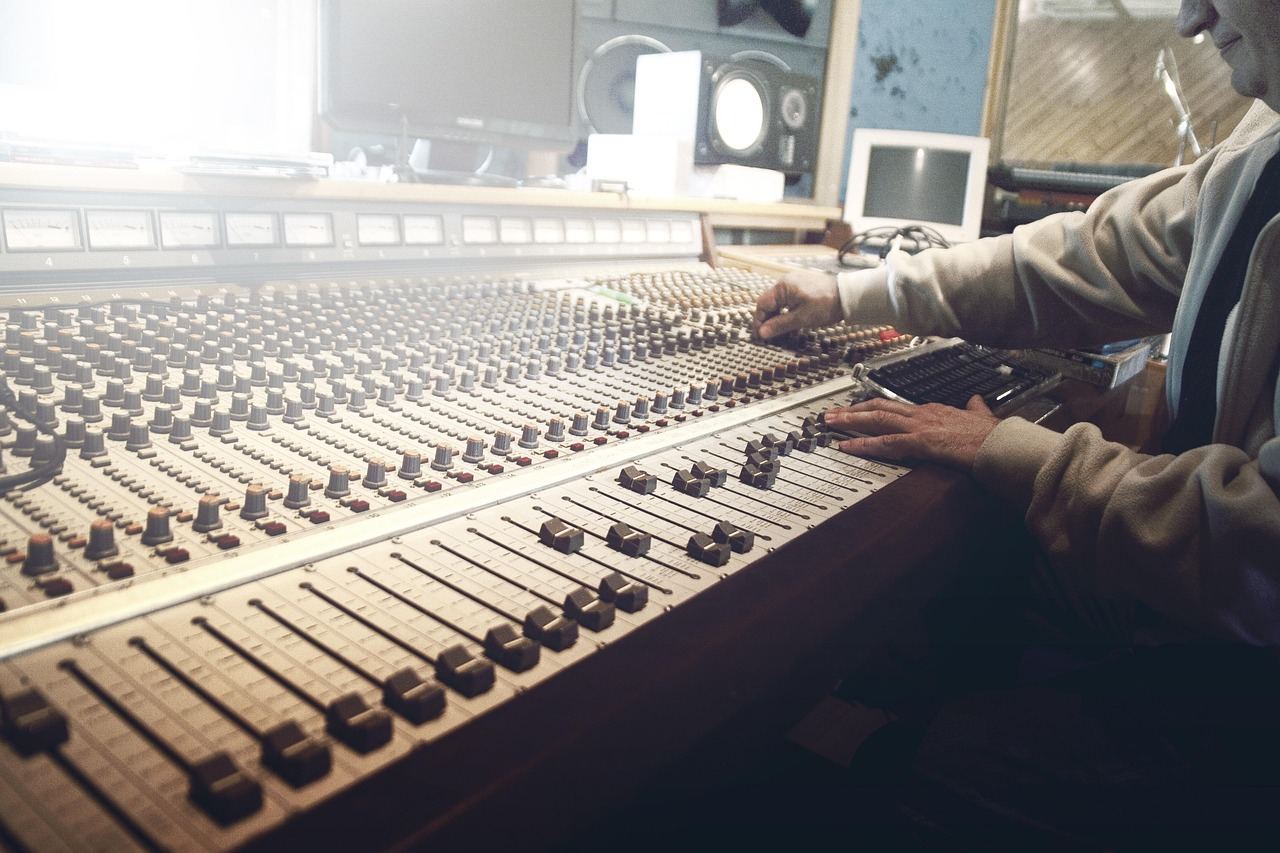
Two mixes are being built during a soundcheck. The front of house (FOH) engineer mixes audio for the audience and most often works from the middle of the crowd or the last few rows.
The monitor engineer, also called the foldback engineer, mixes what the performers hear on stage. Their console usually sits in the wings just off-stage, which makes talking to the band easier. At smaller bar and club gigs, the monitors are commonly mixed from the front of house position, and RouteNote notes that one engineer often covers both roles in clubs and smaller venues.
This is why you may see a musician point at a speaker or raise a hand. They are asking for a different monitor mix. Typical requests from Wikipedia’s live sound mixing entry include:
- Vocalists typically want to hear their own vocals.
- Drummers generally want a blend of all the onstage instruments and vocals.
- Bass players typically ask for plenty of bass drum along with the guitars.
Soundcheck is not a rehearsal
Improvised Music Company is blunt on this point: a soundcheck isn’t the time to practise new songs or play the whole set. The aim is to set levels, frequencies and effects, so the band should arrive ready to work through it.
Its advice for musicians gives a good picture of how a smooth check runs:
- Send the stage plan and channel list to the sound engineer and promoter before the show.
- Check backline for crackling cables or faulty components at home, not on the day.
- Play the way you will play for the crowd. Vocalists should sing at full volume, and the engineer will usually ask for both the loudest and the quietest section of the set.
- Stay silent while the engineer works on another instrument.
- Once everyone is happy, don’t modify anything without talking to the engineer.
The same guide reminds musicians that the engineer is often best placed to judge the sound from the stage. If an engineer asks for the volume to come down, it is usually in the band’s interest.
What changes once the room fills up
An empty room does not sound like a full one. The audience absorbs sound, and rooms without people can sound boomy and bad, as the Improvised Music Company guide puts it.
Wikipedia says the acoustics of a venue often change somewhat once it fills with people, so the engineer often makes minor modifications to the settings and levels once the audience is there. That fine-tuning is why the sound can improve after the first song.
As a fan, you usually arrive after the checking is over, so your part is mostly planning and manners. If you’re heading to a festival, our guide on what to bring to a music festival helps you pack. Once you’re inside, our notes on concert etiquette cover how to share the room with everyone else.
Frequently asked questions
Is a soundcheck the same as a mic check?
Show answer
Not quite. A mic check is the name more commonly used when only the microphones are being tested, while a soundcheck covers the wider sound system and mix, according to Wikipedia’s soundcheck entry.
Is a soundcheck a rehearsal?
Show answer
No. Improvised Music Company says soundcheck isn’t the time to practise new songs or perform the whole set. The time is for setting levels, frequencies and effects.
How long does a soundcheck take?
Show answer
It depends on the show. Improvised Music Company says a productive one can be done in well under an hour, and with several acts the headliner generally goes first. Short slots mean any faulty gear can eat into the time quickly.
Why does the sound change when the venue fills up?
Show answer
People absorb sound, so a full room behaves differently from an empty one. Engineers often make minor changes to levels once the audience is in, as Wikipedia explains.